
THE ETCHINGS OF JOHN CLERK OF ELDIN 1728 - 1812
John Clerk of Eldin (1728–1812) was one of many remarkable figures who emerged from 18th-century Scotland during the Age of Enlightenment. Living and working within the intellectual circles of Edinburgh, he was connected with a number of leading contemporaries in art, science, and philosophy. Among his most enduring achievements is a remarkable body of more than one hundred landscape etchings produced between about 1770 and 1778–79.
Clerk travelled widely with sketchbook in hand, recording castles, ruins, and landscapes across Scotland. Encouraged by his “virtuosi” friends, he began to translate these drawings into etchings, teaching himself the technique at a time when the medium was little used by Scottish artists.
The resulting prints combine careful observation with a picturesque sensibility and reflect a growing appreciation of Scotland’s historic landscape during the later eighteenth century. Together they form an important visual record of the country’s architecture and scenery at a moment when interest in Scotland’s past and its landscapes was rapidly increasing.
Below is the first display of every landscape etching by John Clerk of Eldin collated in one place. Although there are significant collections of Clerk’s etchings in public institutions, such as The British Museum and National Galleries of Scotland, no collection contains every single print. Regarding the layout, the etchings are listed in the order as outlined in my book The Etchings of John Clerk of Eldin which contained a catalogue raisonné. The catalogue attempted to list the prints in a chronological order though at the time of printing in 2012 I had not re-found eight of the etchings confirmed in my original thesis of 1978. It was not possible therefore to include their images in the book. The eight prints are B3, B5, B6, B8, B14, B15, B16, B25. In light of these having been located subsequently I am pleased to insert these now. However, their inclusion reveals that I made wrong assumptions in my numbering system and that if it remains my aim to show the collection chronologically this will need to be addressed. Nonetheless, to avoid confusion with the 2012 listing in my book, I have not made any amendments here.
A word on sizing. The images here are set to provide the viewer with a general sense of the print’s scale. Several of Clerk’s plates are extremely small, particularly the early ones, with some no larger than postage stamps. As his etching technique improved, so did the size of the plates, though few can be said to be overly large.
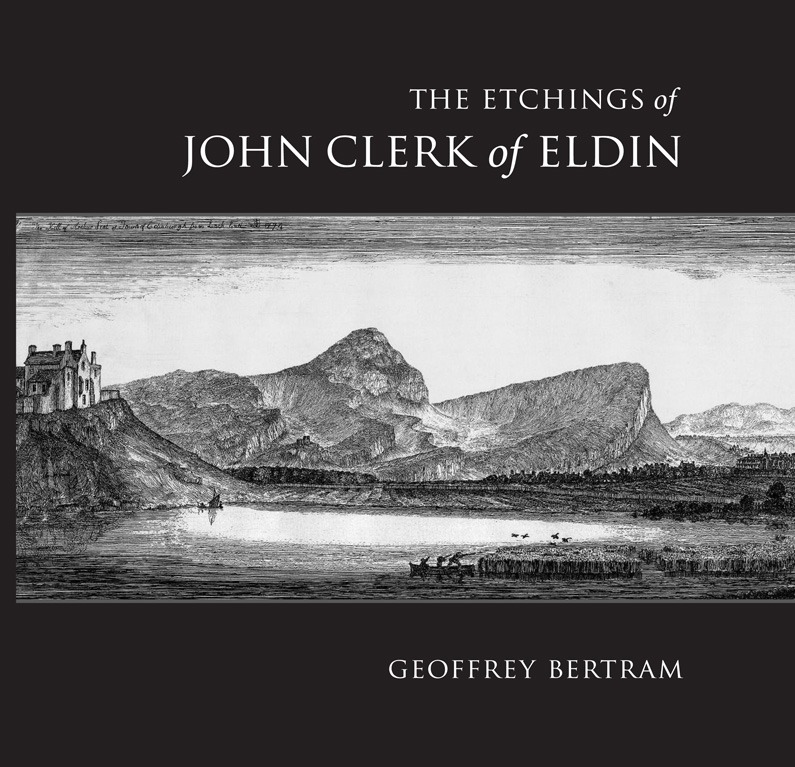
The Etchings of John Clerk of Eldin
by Geoffrey Bertram
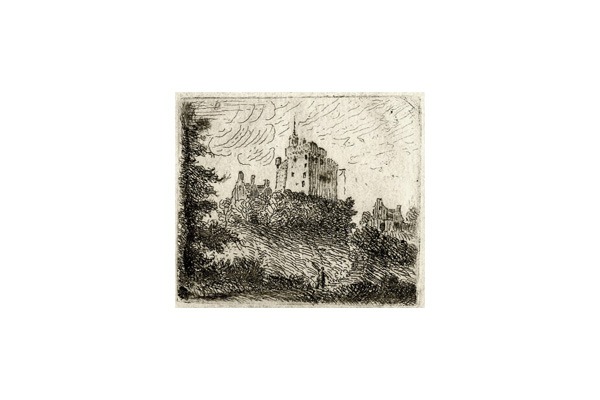
B1 Clackmannan Tower from the South West 43 x 51 mm
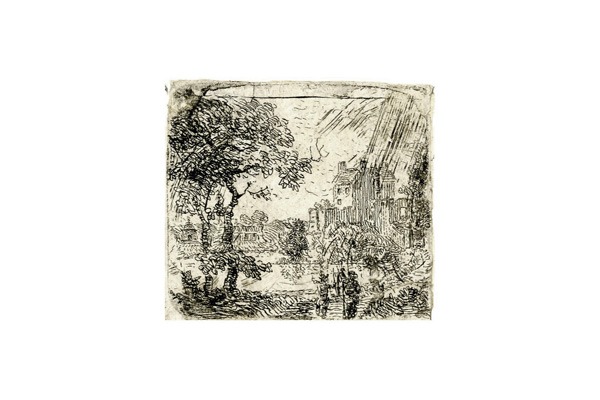
B2 Lochend 42 x 48 mm
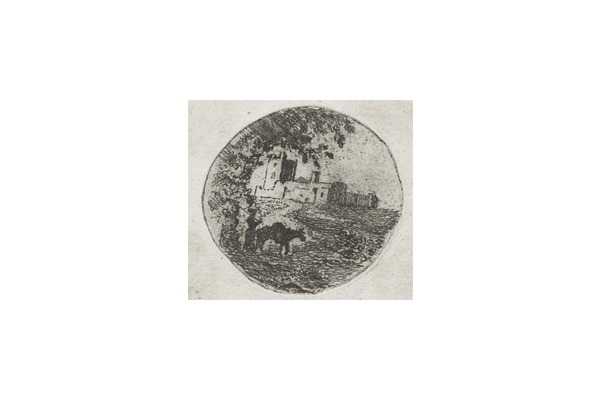
B3 Castle in a Circle 34 mm diameter
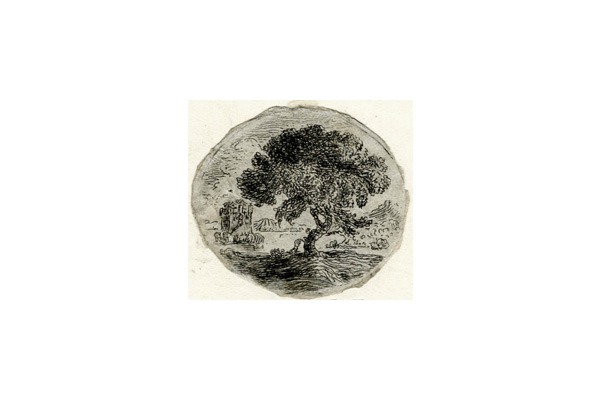
B4 Elan Stalker in a Circle 38 mm diameter
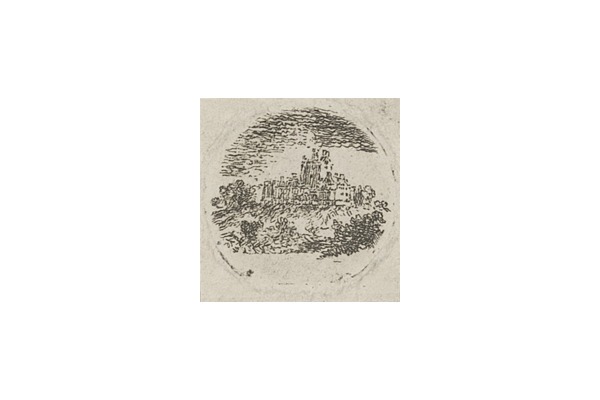
B5 Craigmillar Castle in a Circle 27 mm diameter
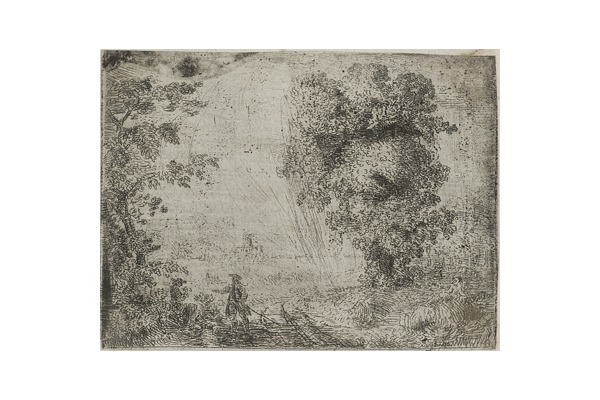
B6 Landscape With Figures 85 x 107 mm
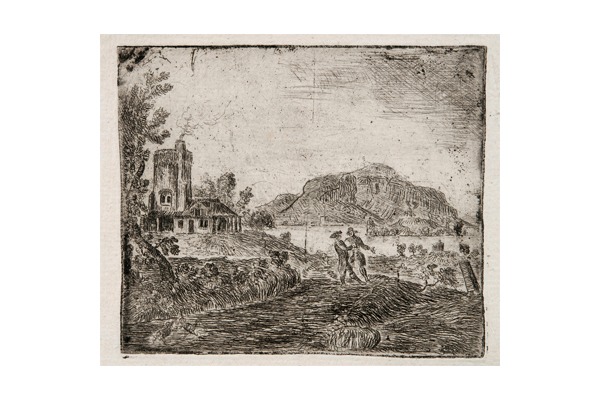
B7 Landscape with Two Men Conversing 87 x 107 mm
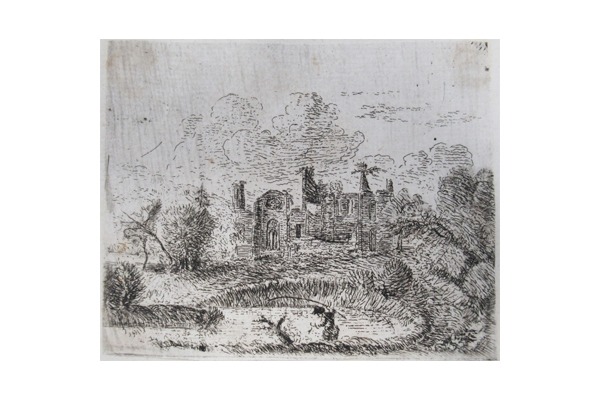
B8 College Near Dumfries 94 x 120 mm
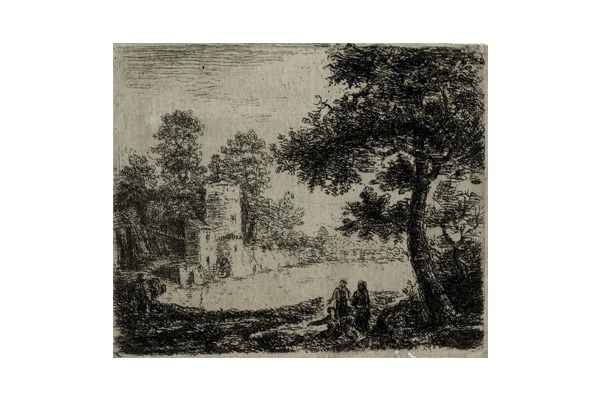
B9 After Claude Lorrain’s Au Bord De L’eau 65 x 78 mm
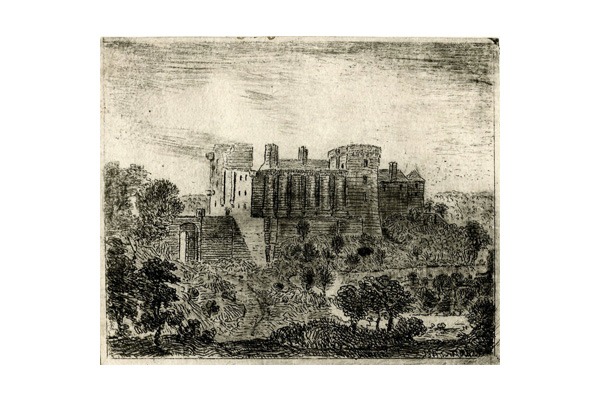
B10 Roslin Castle II 85 x 98 mm
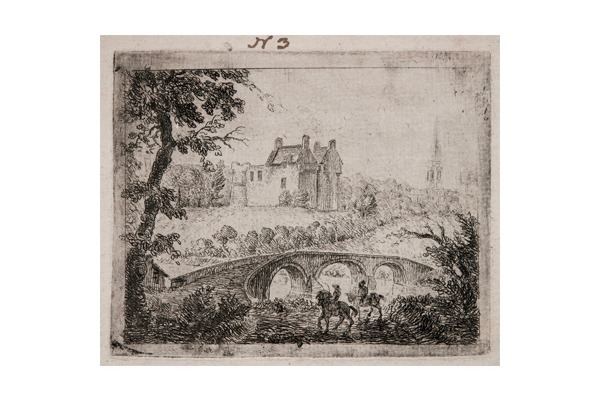
B11 Dairsie I 89 x 115 mm
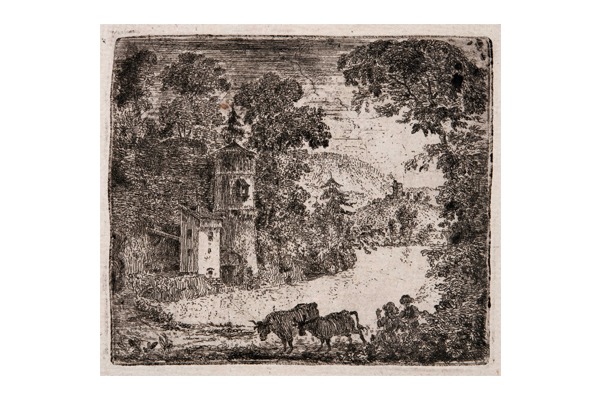
B12 After Claude Lorrain’s Au Bord De L’eau 90 x 108 mm
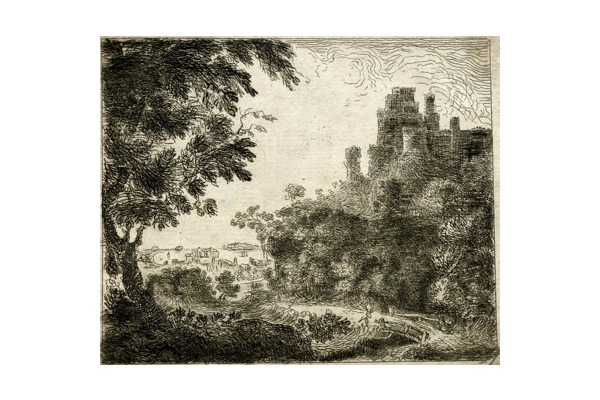
B13 Castle on a Hill with Distant Town I 85 x 101 mm
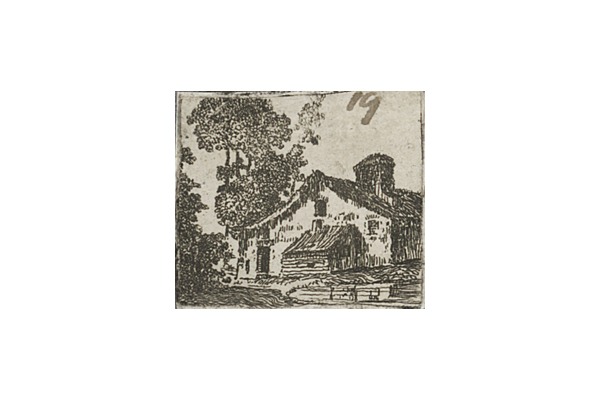
B14 Old Cottage With Trees 26 x 31 mm
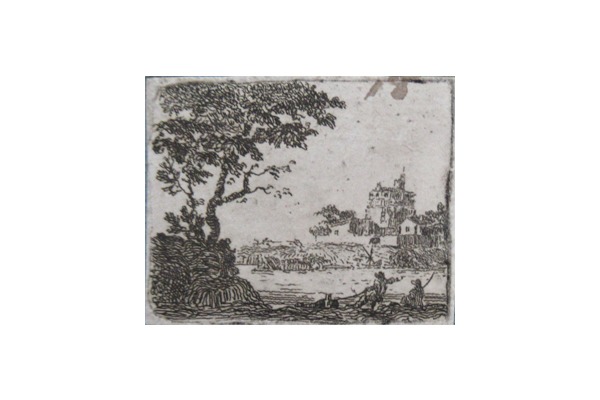
B15 Landscape With Loch And Tower 26 x 31 mm
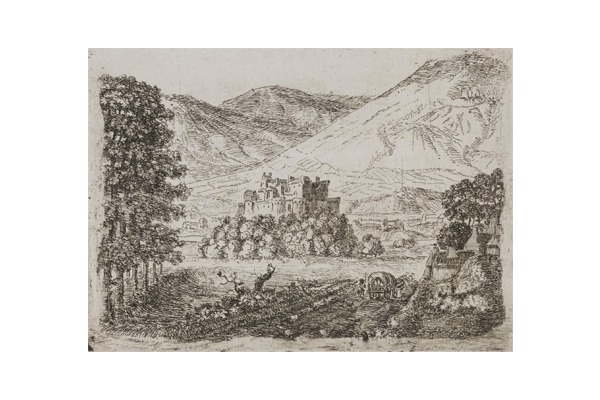
B16 Castle In A Valley 83 x 117 mm
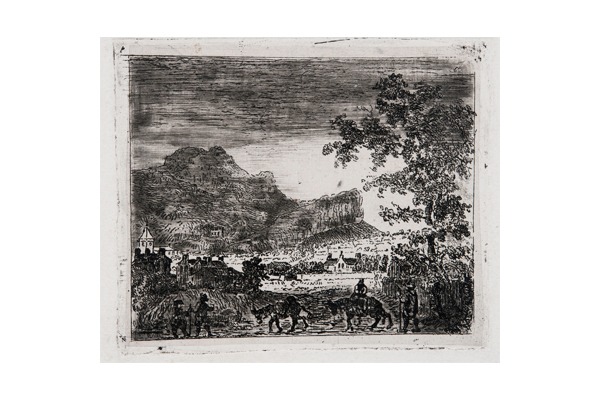
B17 Arthur’s Seat 81 x 99 mm
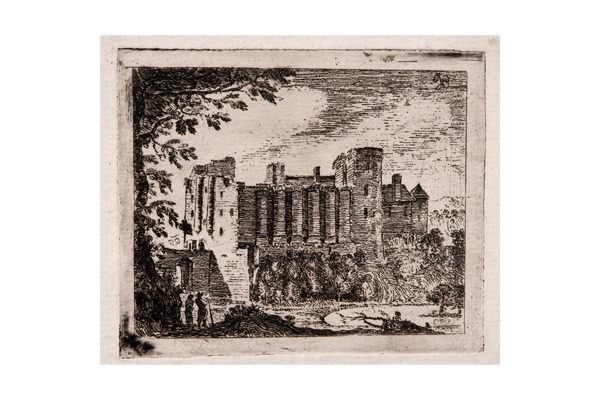
B18 Roslin Castle I 79 x 96 mm
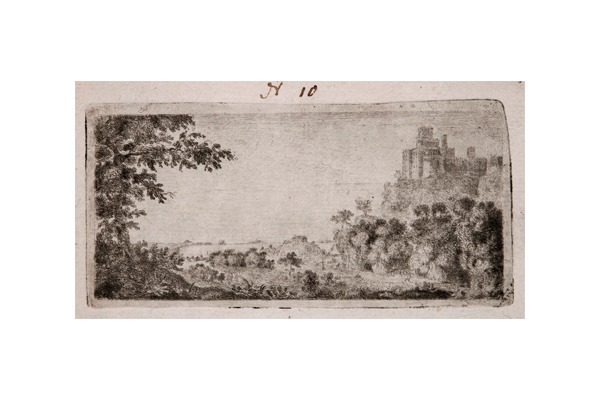
B19 Castle on a Hill with Distant Town II 59 x 130 mm
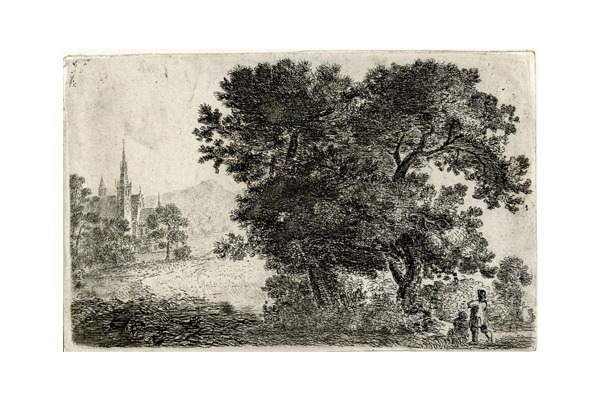
B20 Trees with Distant Church 90 x 141 mm
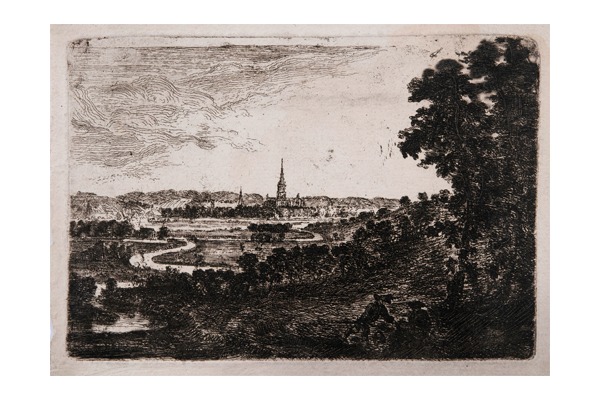
B21 Salisbury from Wilton Park 1772 118 x 165 mm
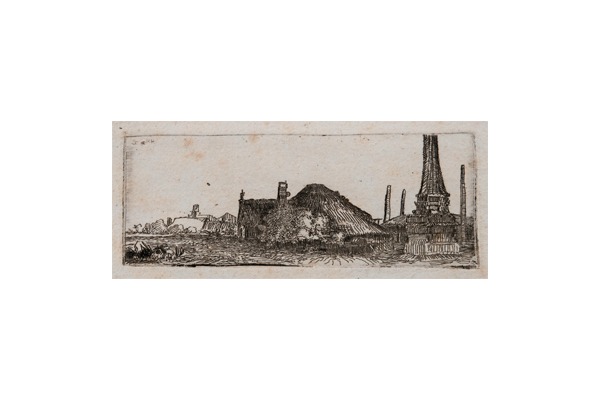
B22 After Rembrandt’s Landscape with an Obelisk 37 x 83 mm
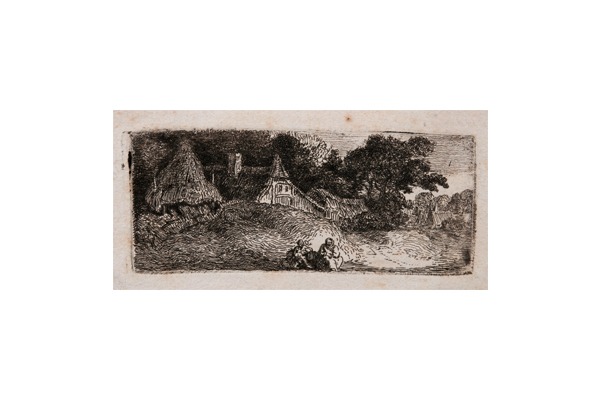
B23 After Weirotter’s Cottages 33 x 76 mm
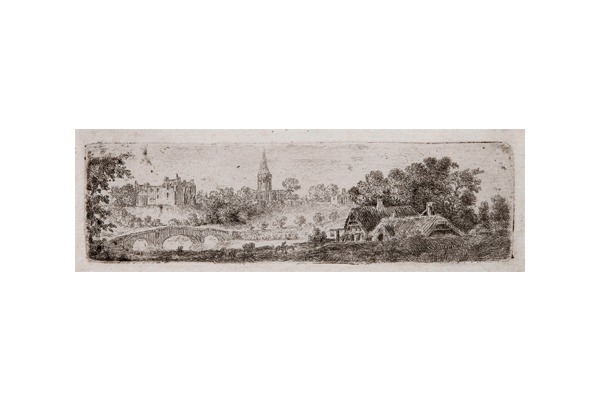
B24 Dairsie II 40 x 135 mm
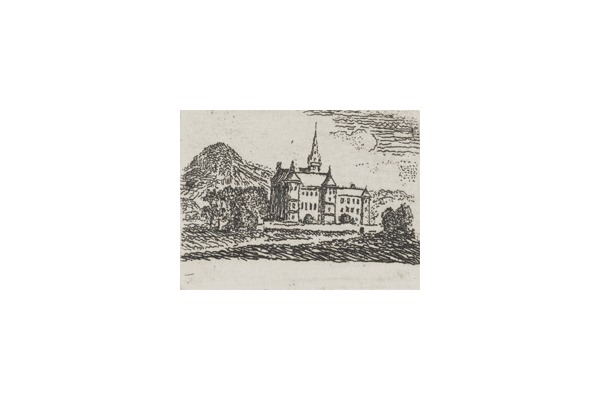
B25 Mansion With Hill Beyond 20 X 30 Mm
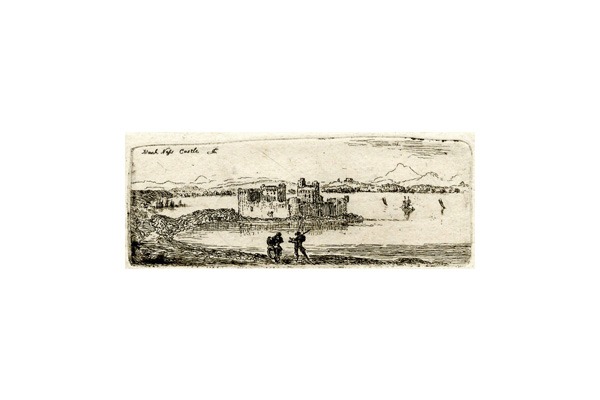
B26 Blackness Castle 29 x 62 mm
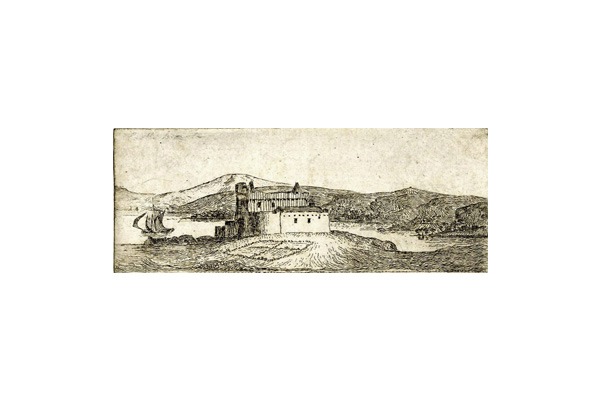
B27 Castle Duart Isle of Mull I 42 x 83 mm
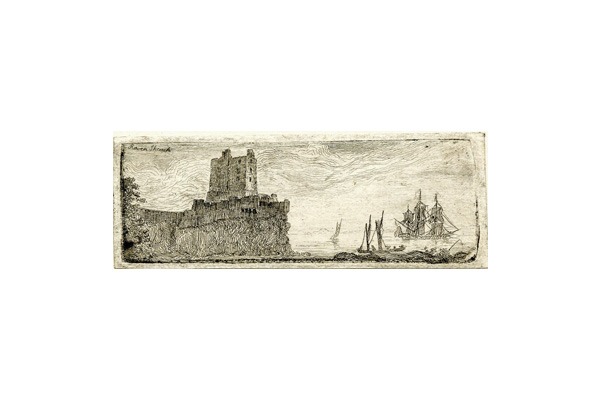
B28 Ravensheuch Castle I 35 x 82 mm
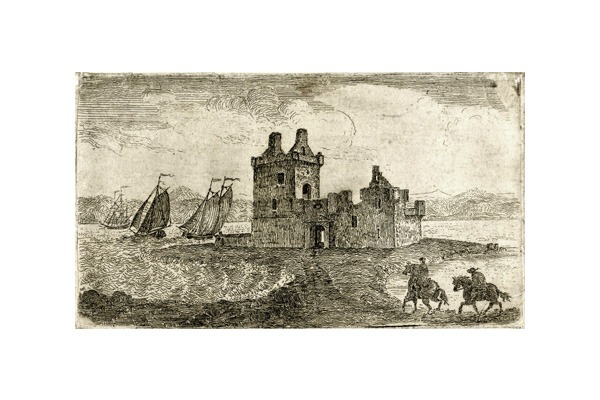
B29 Rossyth Castle 1772 76 x 128 mm
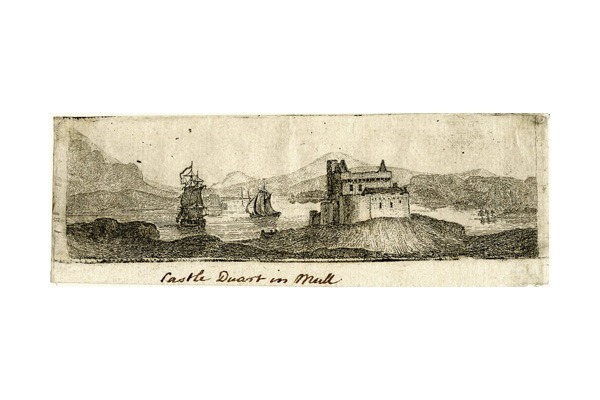
B30 Castle Duart Isle of Mull II 41 x 134 mm
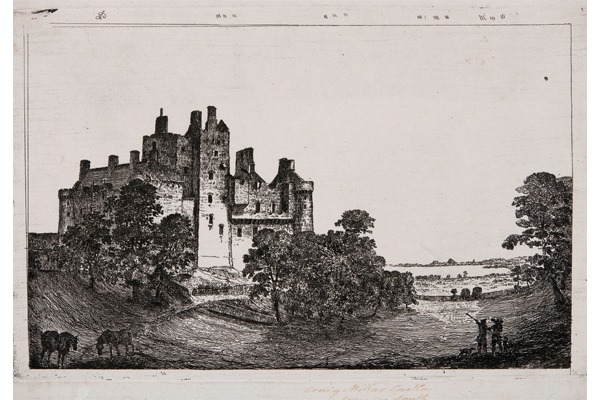
B31 Craigmillar Castle from the South West 161 x 242 mm
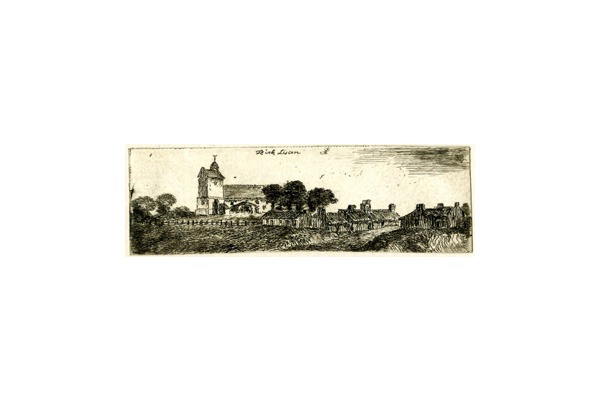
B32 Kirkliston 29 x 67 mm
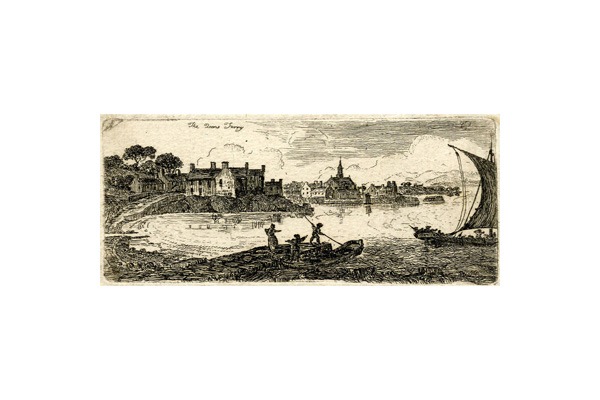
B33 South Queensferry (The Queen’s Ferry) 47 x 99 mm
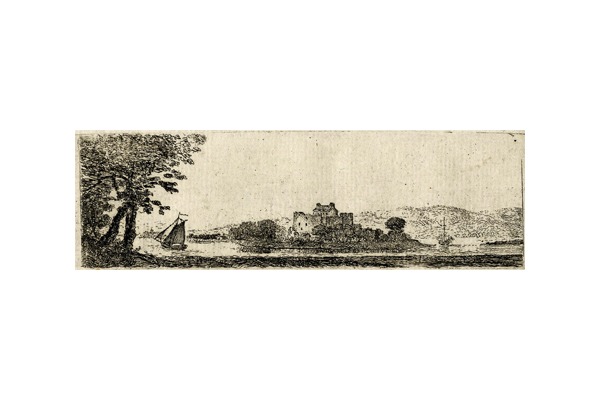
B34 Dunstaffnage 40 x 127 mm
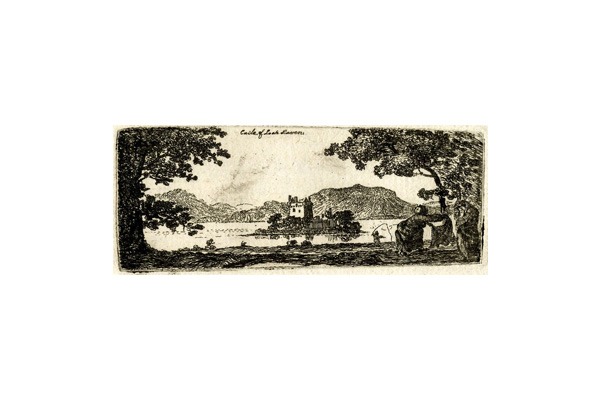
B35 Loch Leven Castle 35 x 82 mm
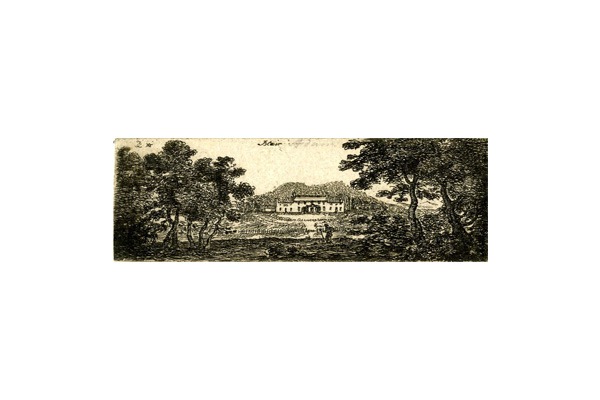
B36 Blair Adam 34 x 82 mm
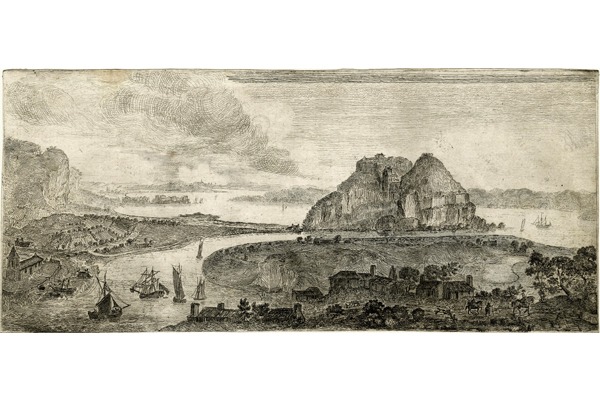
B37 Dumbarton Castle from the West 122 x 295 mm
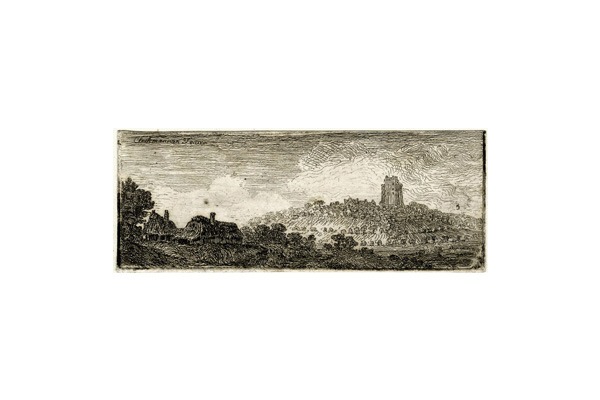
B38 Clackmannan Tower II 34 x 82 mm
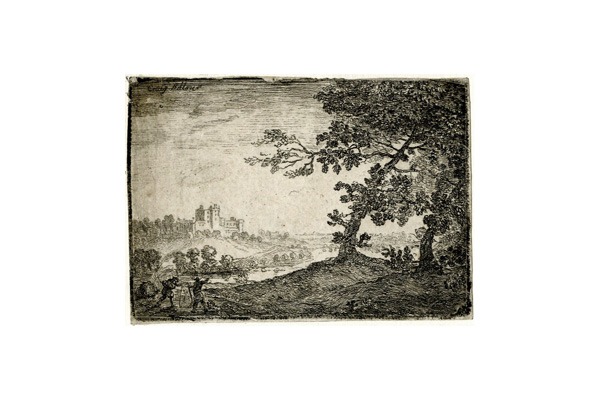
B39 Craigmillar Castle II 52 x 76 mm
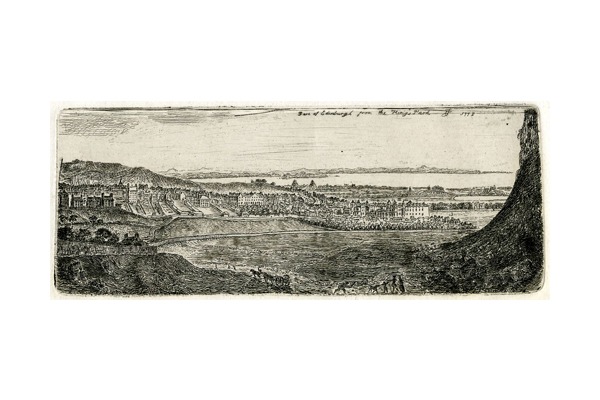
B40 Part Of Edinburgh from the King’s Park 1772 61 x 148 mm
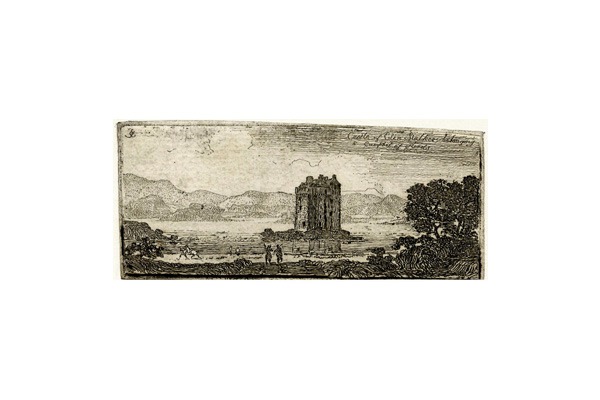
B41 Elan Stalker I 37 x 81 mm
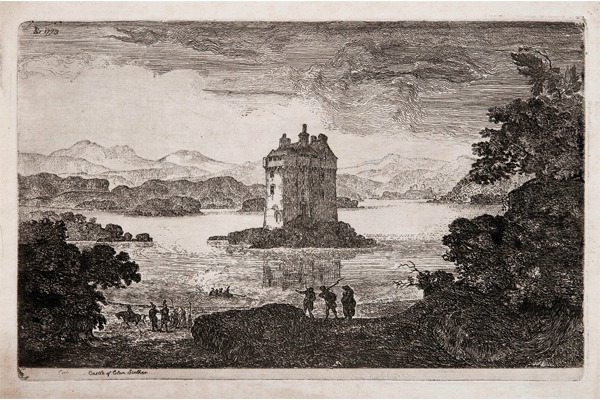
B42 Elan Stalker II 1773 158 x 252 mm
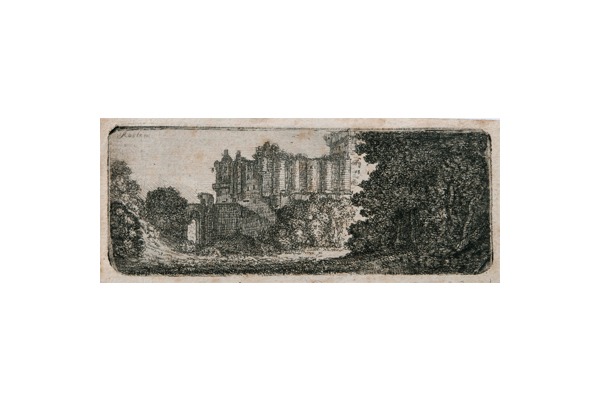
B43 Roslin Castle III 39 x 92 mm
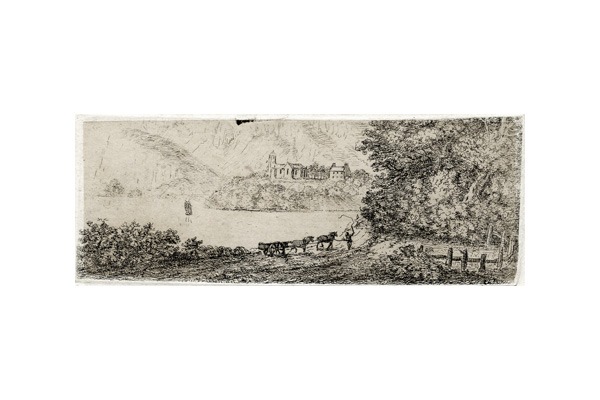
B44 Duddingston 50 x 125 mm
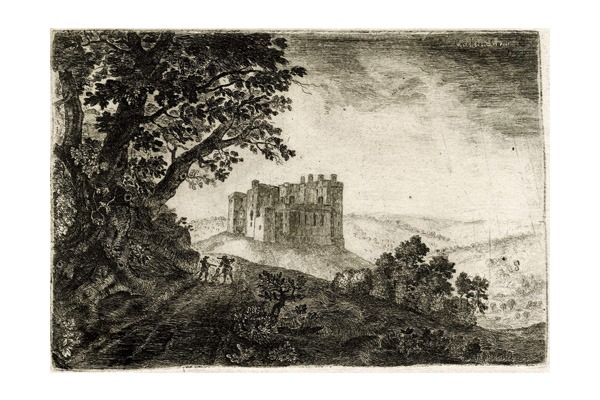
B45 Crichton Castle from the North East 1773 113 x 167 mm
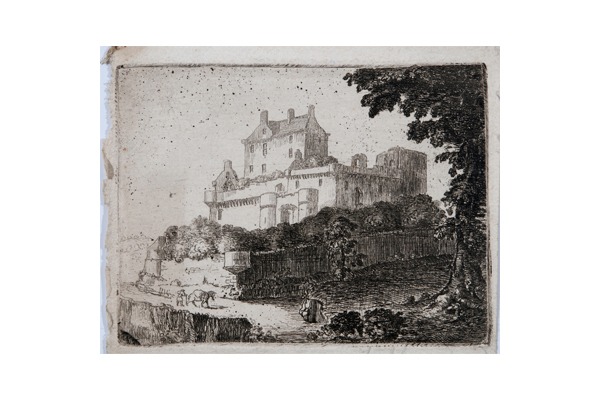
B46 Dalhousie Castle I 78 x 100 mm
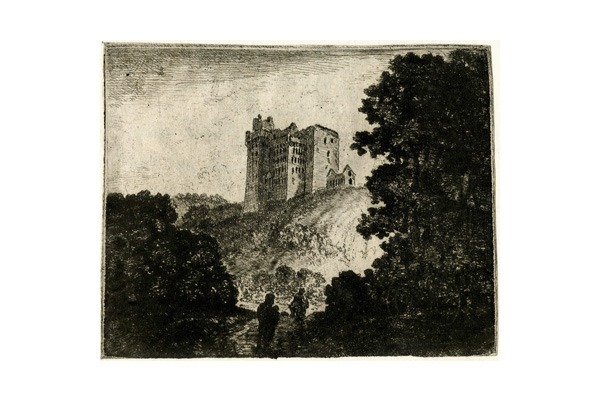
B47 Crichton Castle from the North West 81 x 99 mm
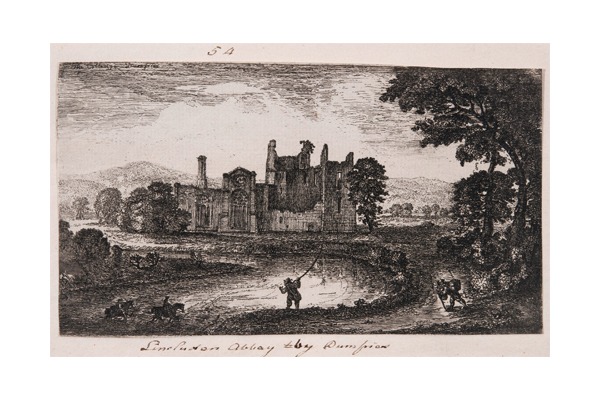
B48 Lincluden Abbey 88 x 153 mm
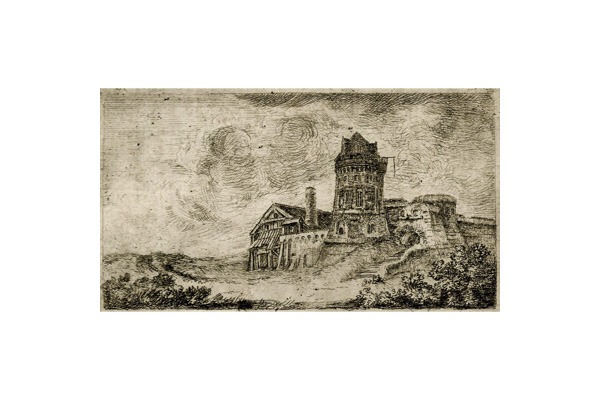
B49 After Weirotter’s Landscape with Ancient Ruins 57 x 99 mm
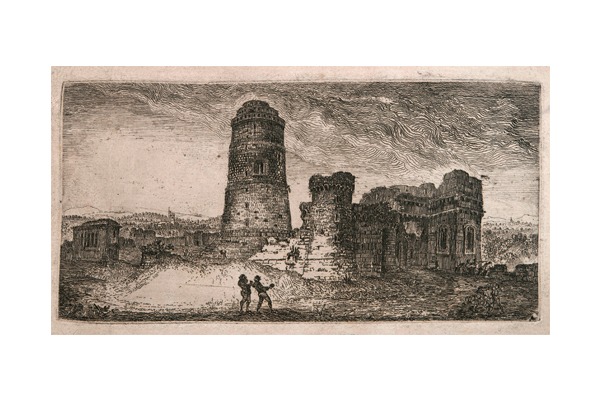
B50 Tower at Pembroke Castle 78 x 158 mm
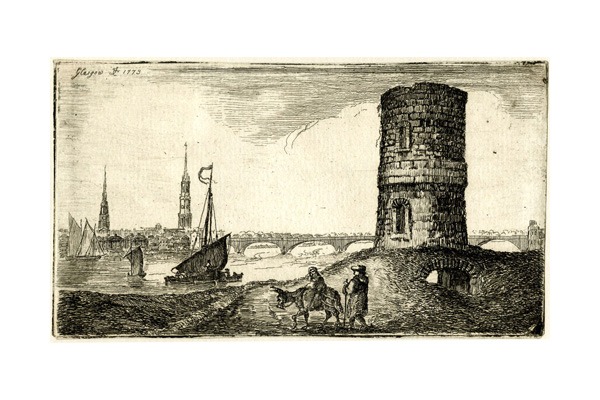
B51 Glasgow 1773 83 x 147 mm
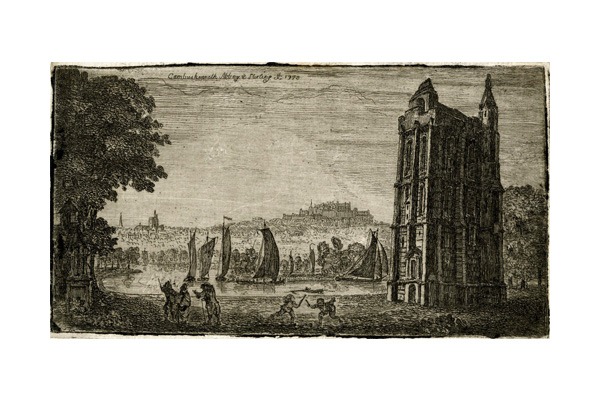
B52 Cambuskenneth Abbey and Stirling 1773 82 x 147 mm
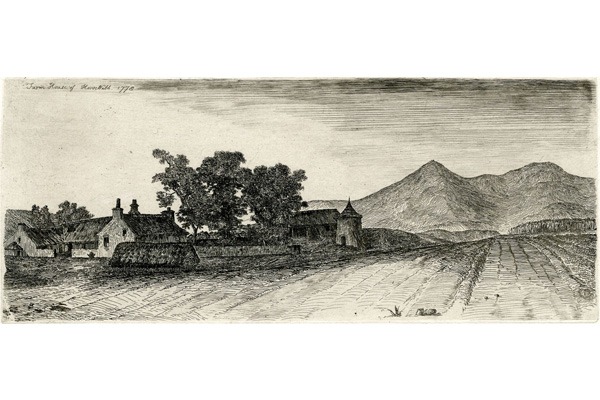
B53 Farm Of Kersewell 1773 100 x 249 mm
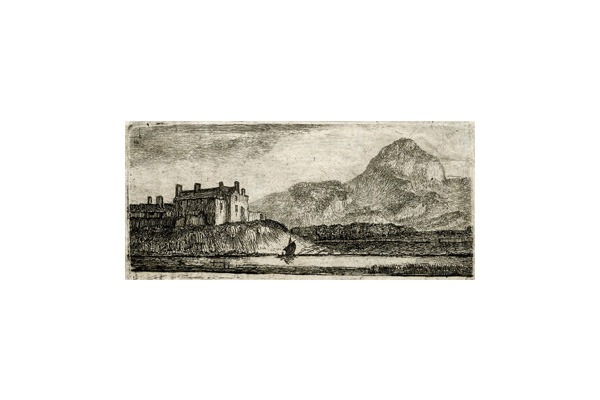
B54 Arthur’s Seat from Lochend I 35 x 69 mm
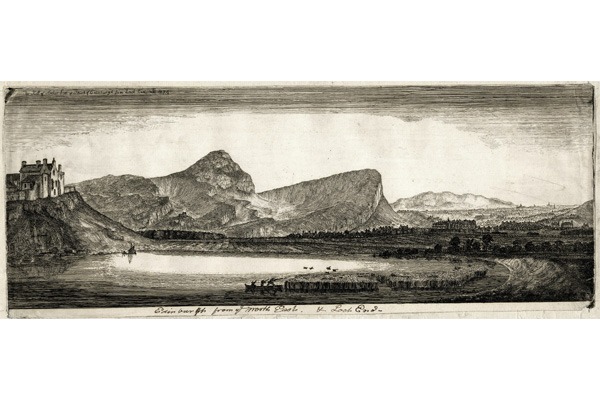
B55 Arthur’s Seat from Lochend II 1774 149 x 386 mm
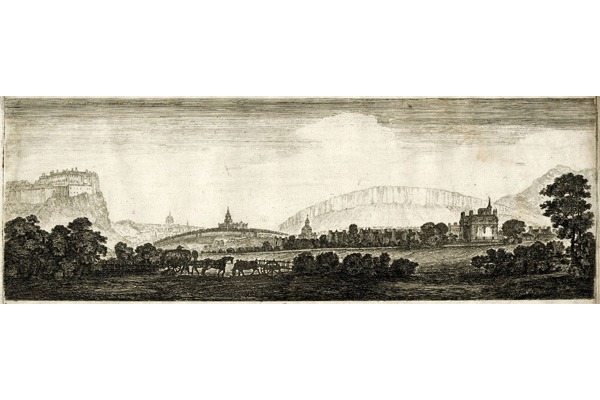
B56 View Of Edinburgh from Write’s Houses 154 x 387 mm
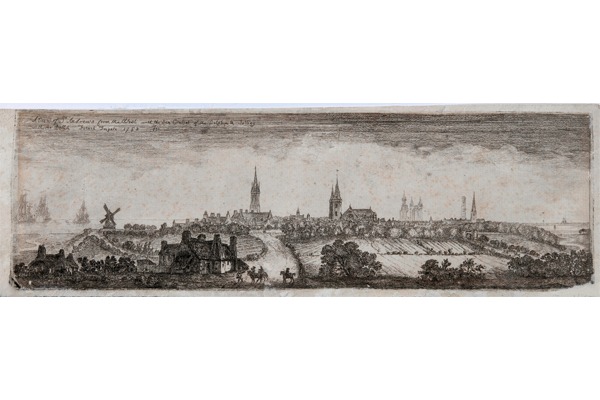
B57 St Andrews from the West 81 x 264 mm
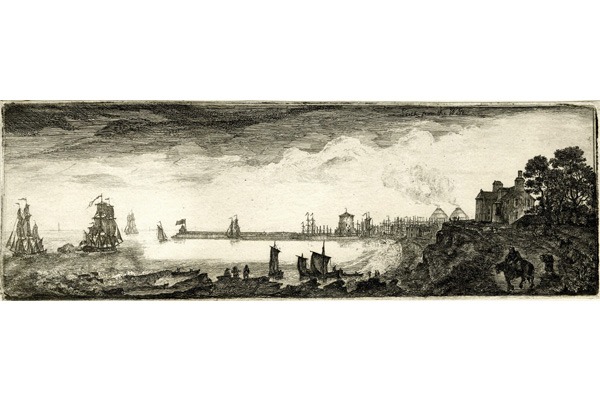
B58 Leith from the West 84 x 259 mm
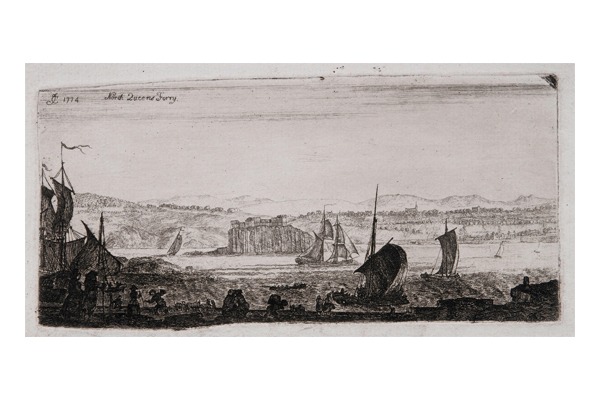
B59 North Queensferry 1774 88 x 185 mm
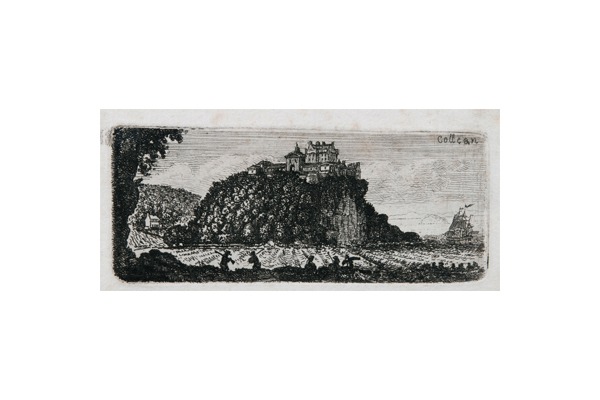
B60 Culzean Castle 38 x 92 mm
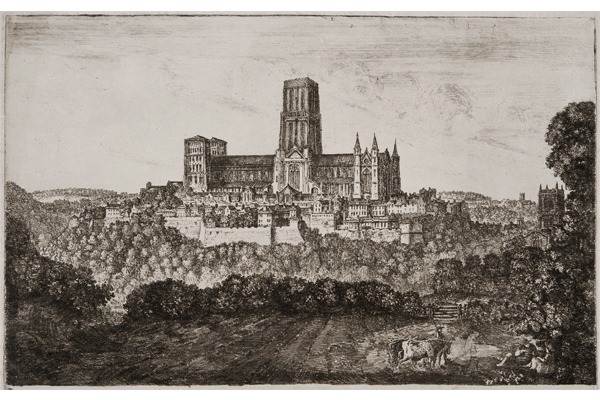
B61 Durham 200 x 300 mm
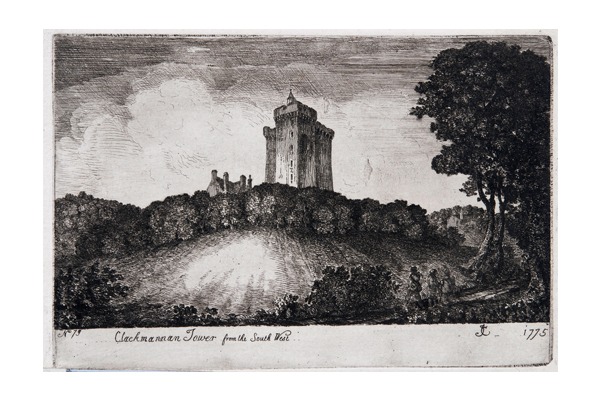
B62 Clackmannan Tower from the South West 1775 102 x 157 mm
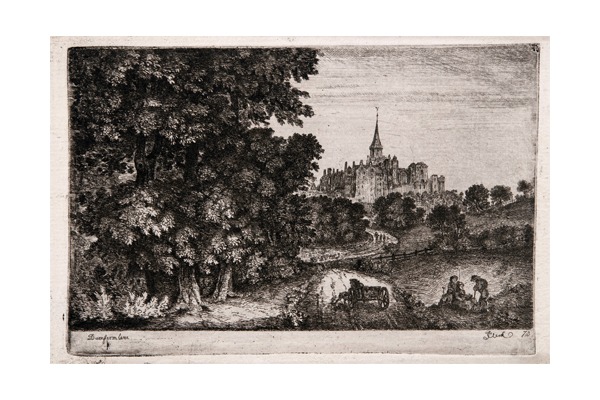
B63 Dunfermline 101 x 150 mm
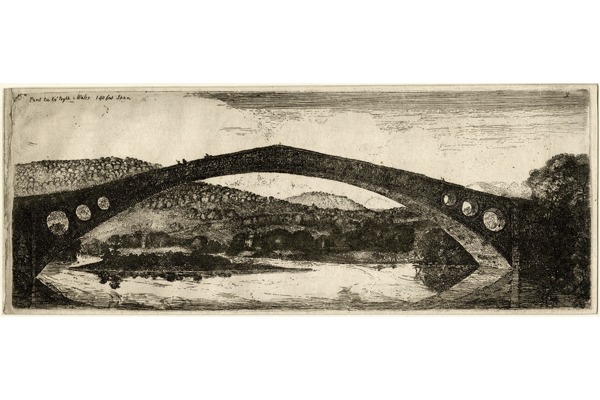
B64 Pont Y Prydd 113 x 299 mm
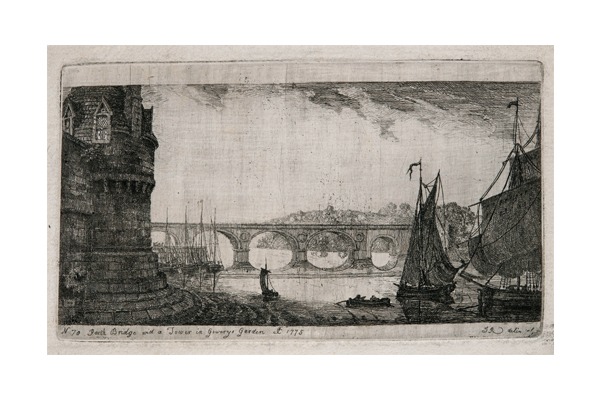
B65 Perth Bridge 1775 88 x 150 mm
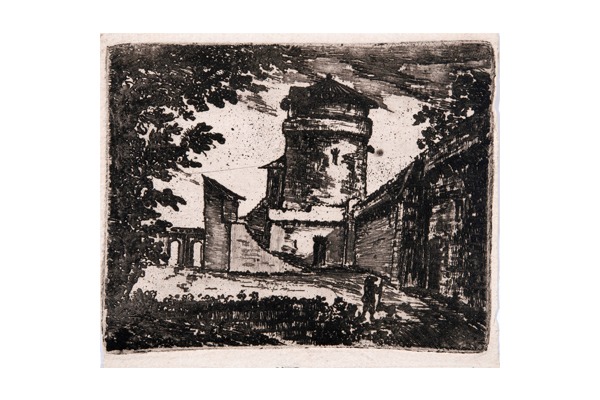
B66 Adam’s Tower 79 x 100 mm
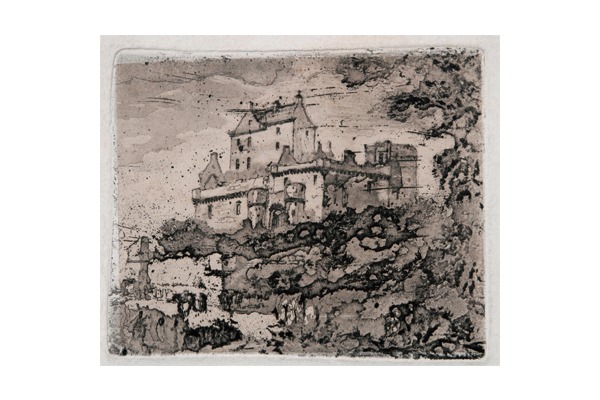
B67 Dalhousie Castle II 77 x 100 mm
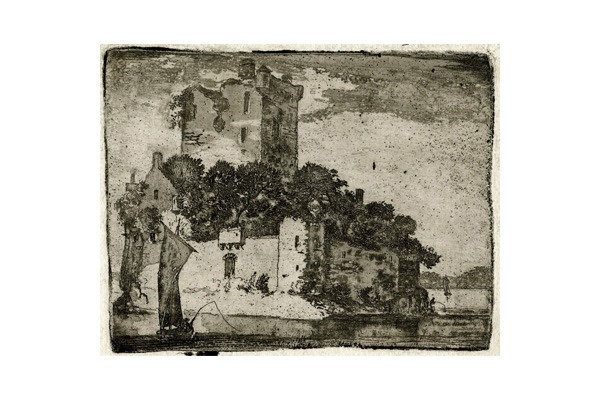
B68 Loch Orr Castle 79 x 99 mm
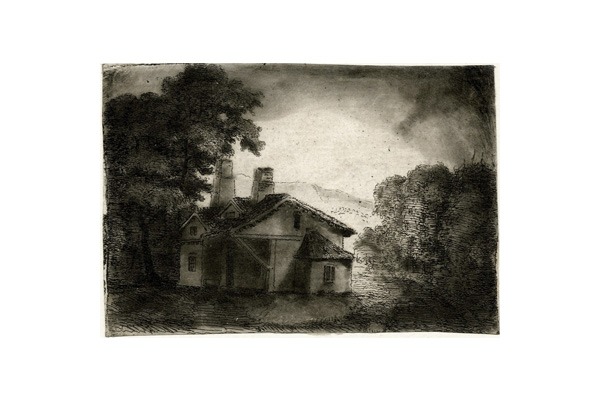
B69 Adam’s Hut 71 x 96 mm
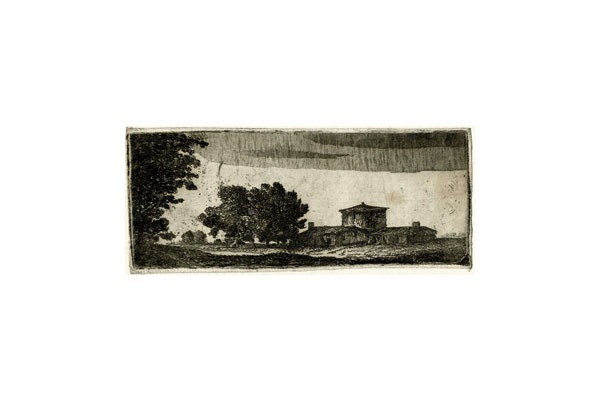
B70 Trees with Low Building 34 x 77 mm
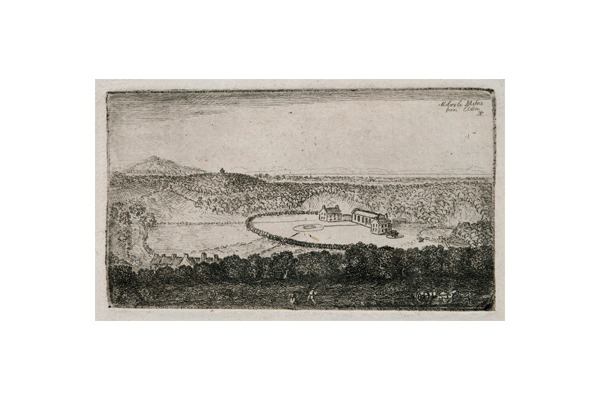
B71 Melville Milne 59 x 97 mm
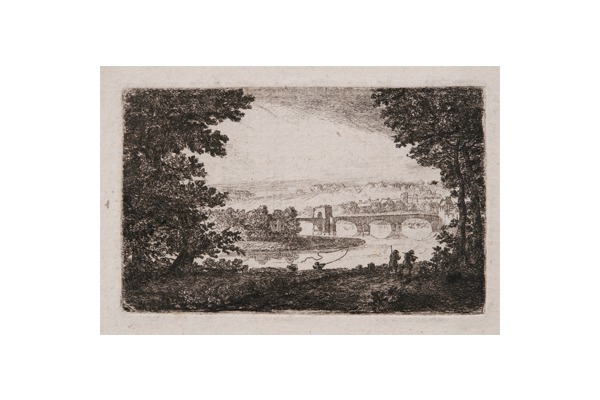
B72 Dumfries Bridge 60 x 91 mm
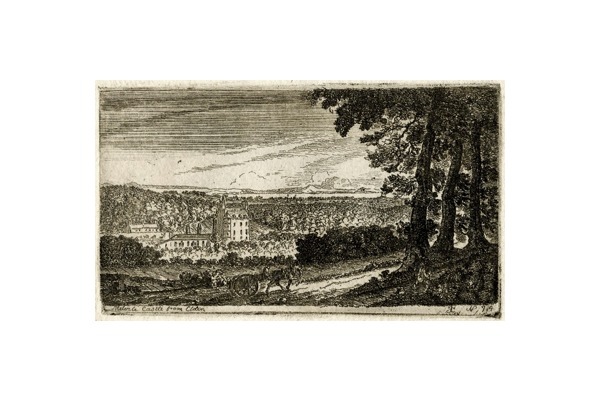
B73 Melville Castle from Eldin 52 x 96 mm
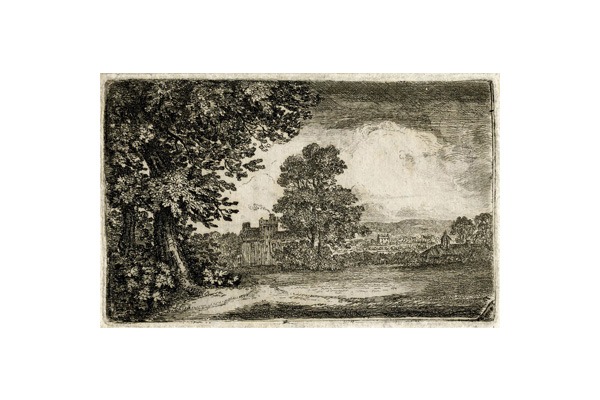
B74 Eldin House 60 x 90 mm
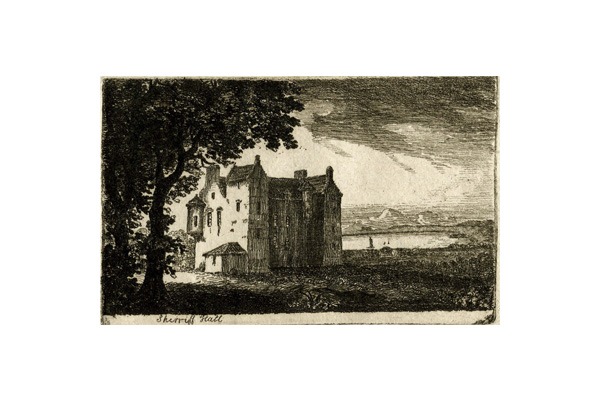
B75 Sherriff Hall 59 x 90 mm
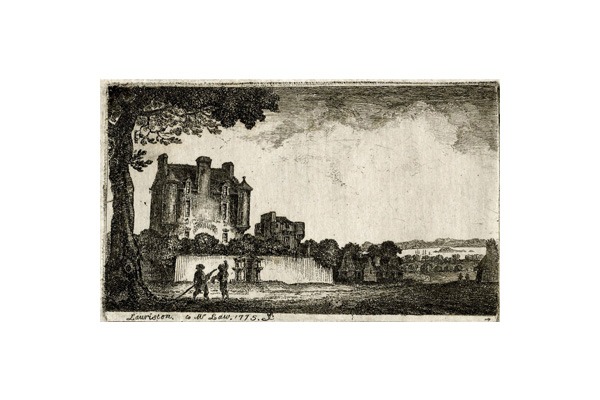
B76 Lauriston Castle 1775 59 x 90 mm
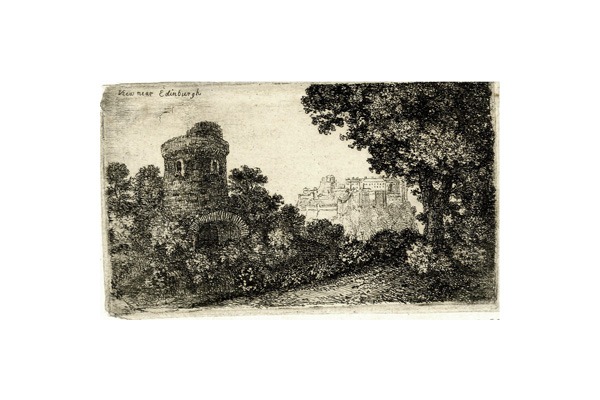
B77 Coltbridge Tower near Edinburgh 57 x 98 mm
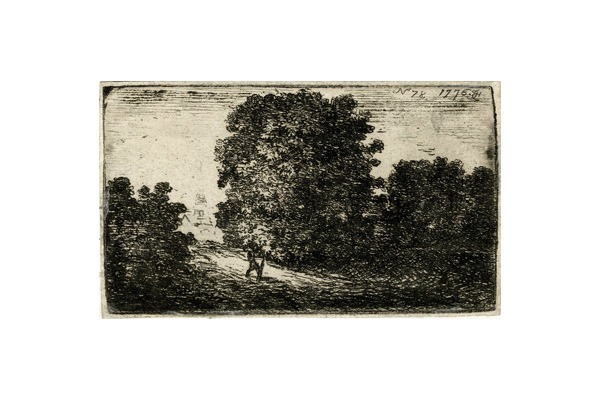
B78 Road Bordered by Trees 1776 59 x 99 mm
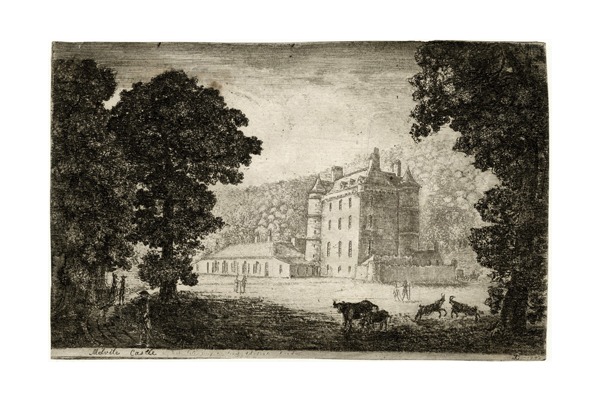
B79 Melville Castle 1776 105 x 157 mm
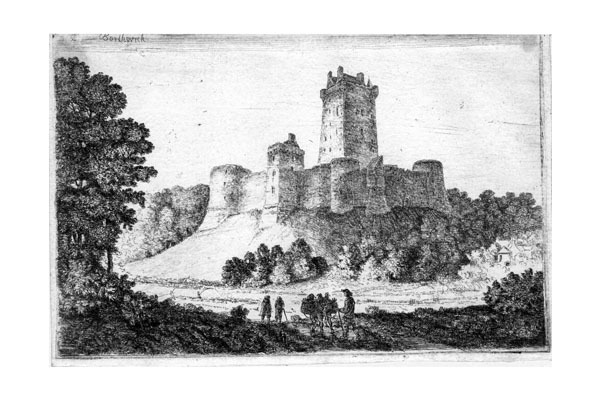
B80 Borthwick Castle from the East 106 x 160 mm
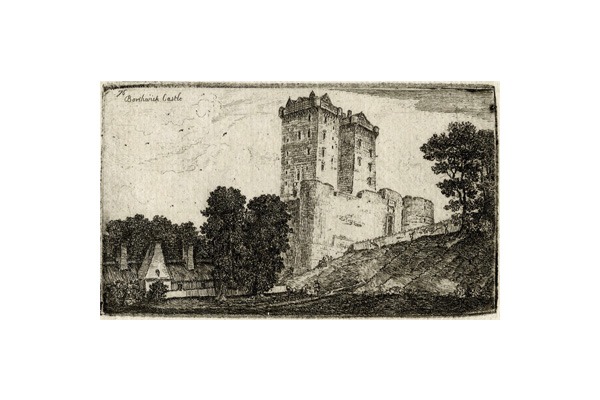
B81 Borthwick Castle 59 x 98 mm
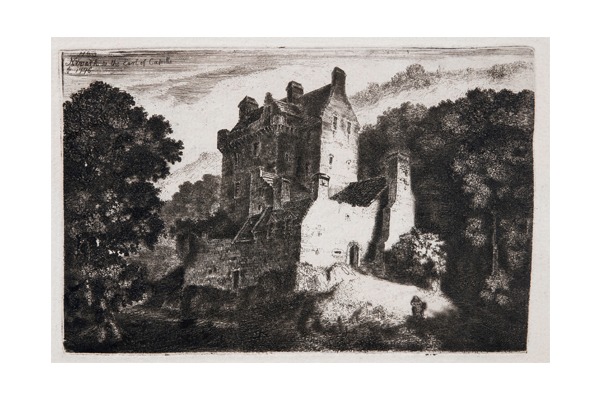
B82 Newark Castle I 1776 101 x 159 mm
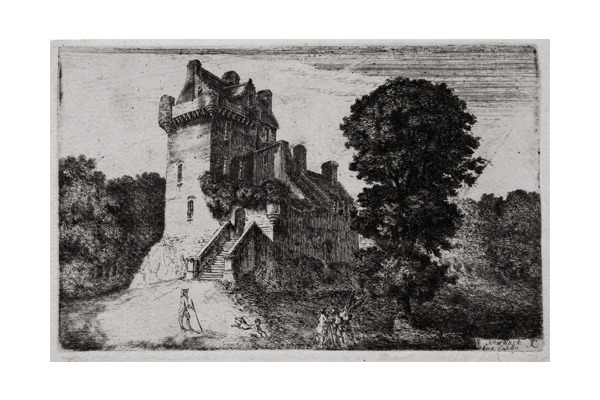
B83 Newark Castle II 101 x 154 mm
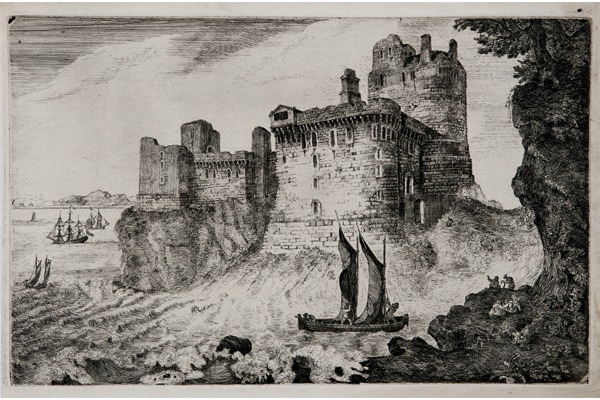
B84 Ravensheuch Castle II 166 x 265 mm
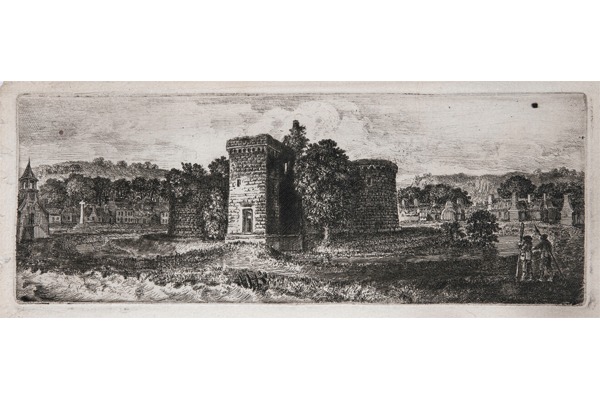
B85 Rothesay Castle Bute 76 x 203 mm
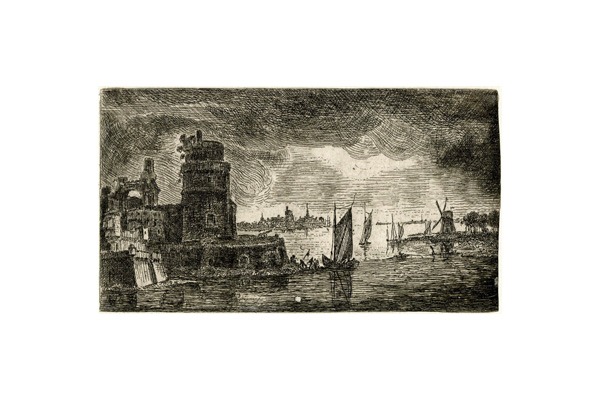
B86 After Weirotter’s Scene of an Estuary 73 x 124 mm
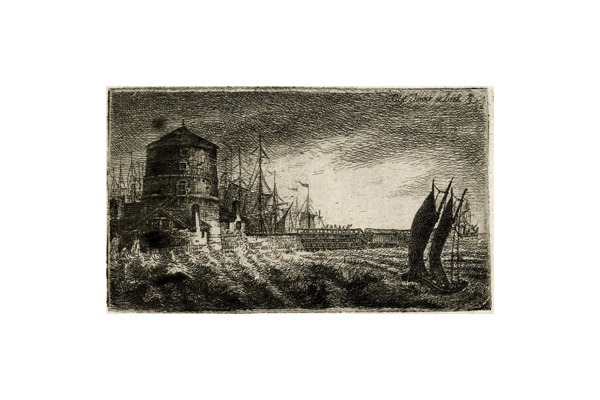
B87 Old Tower at Leith I 57 x 97 mm
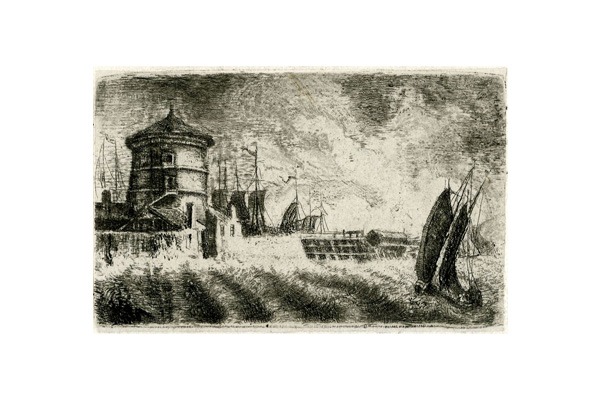
B88 Old Tower at Leith II 58 x 98 mm
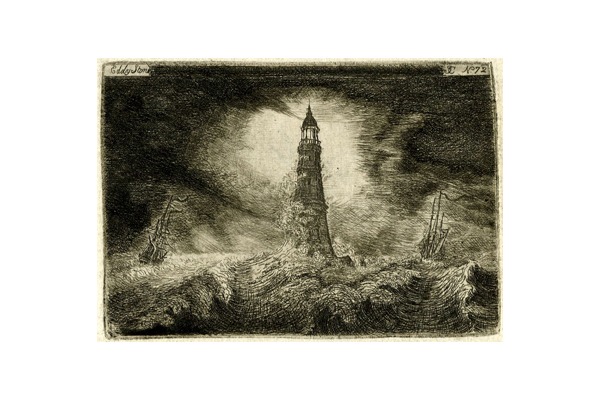
B89 Eddystone Lighthouse 60 x 90 mm
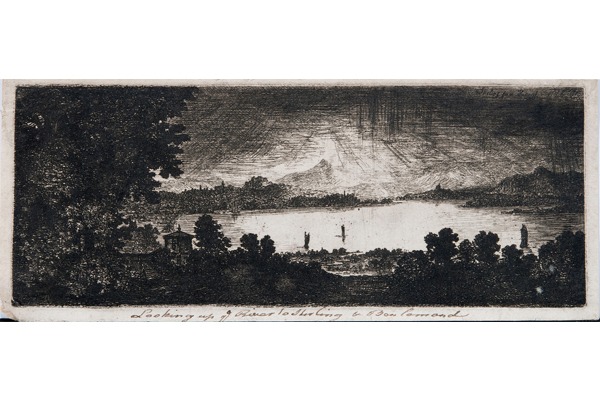
B90 Stirling from Kinneil 1776 79 x 205 mm
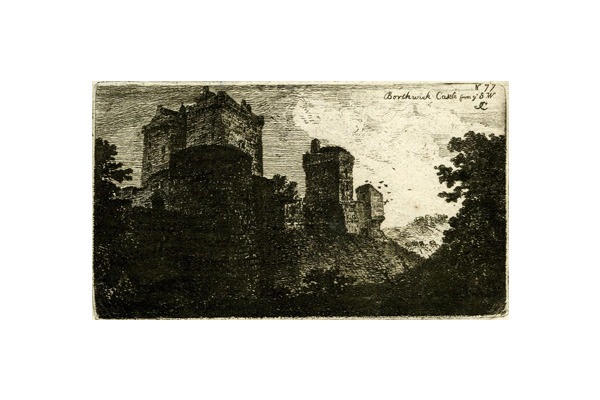
B91 Borthwick Castle from the South West 58 x 97 mm
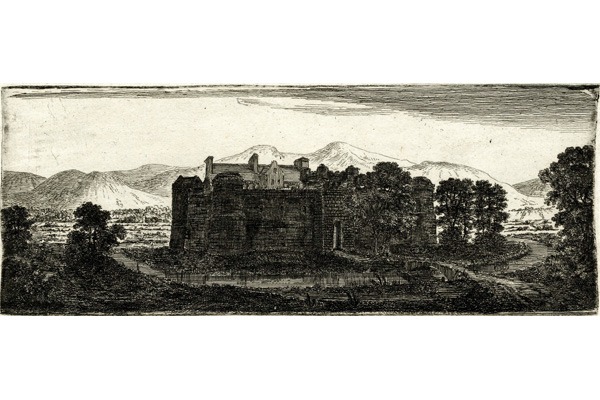
B92 Boghall Castle near Biggar 80 x 202 mm
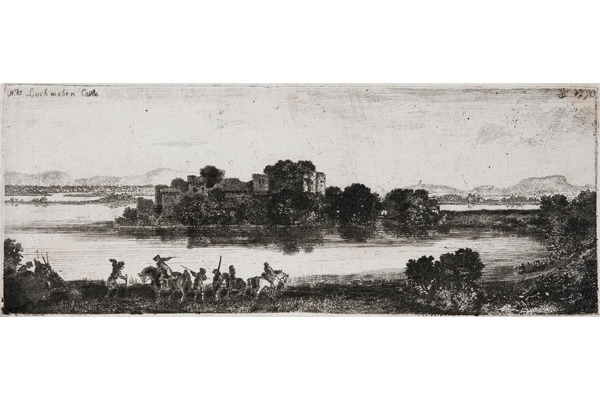
B93 Lochmaben Castle 1776 78 x 203 mm
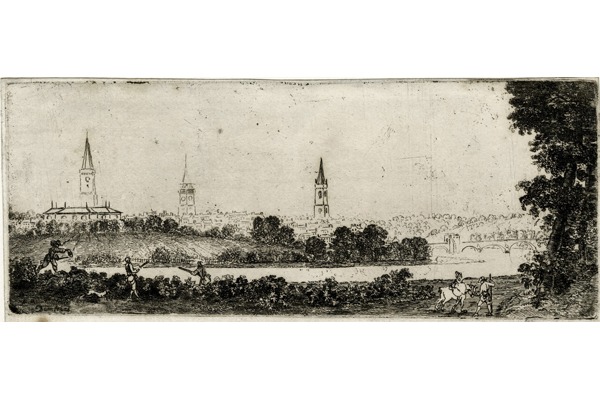
B94 Dumfries 81 x 203 mm
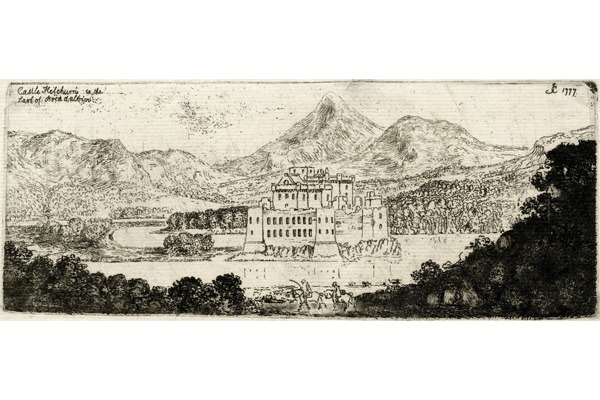
B95 Kilchurn Castle 1777 81 x 202 mm
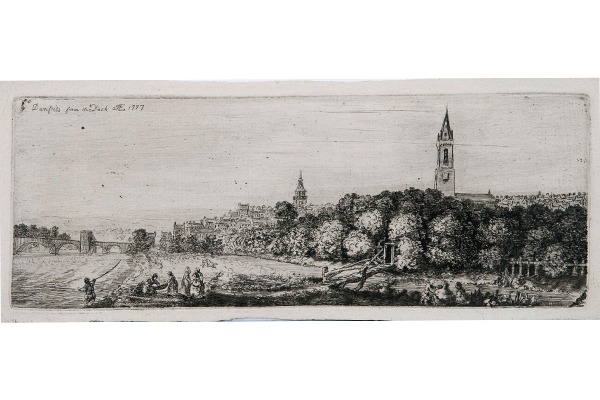
B96 Dumfries from the Dock 1777 75 x 203 mm m
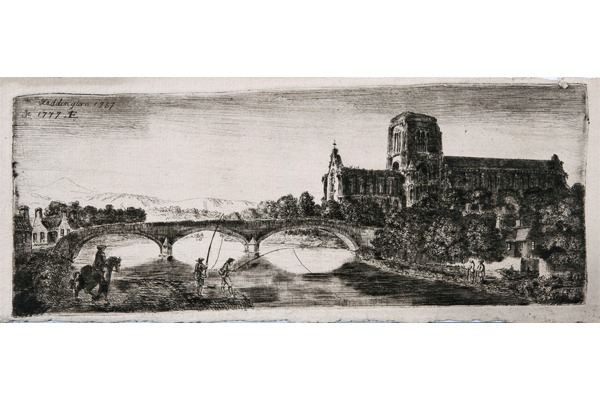
B97 Haddington 1777 78 x 207 mm
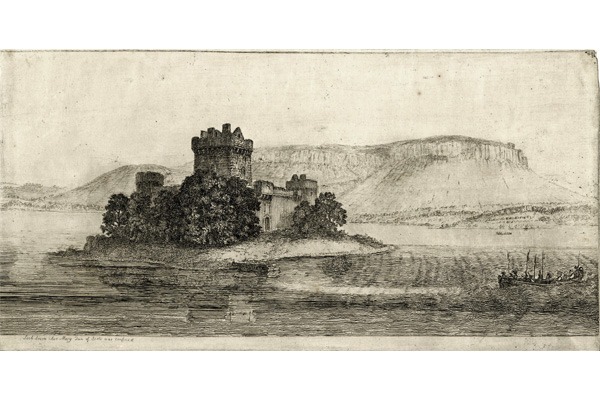
B98 Loch Leven Castle from the North West 151 x 306 mm
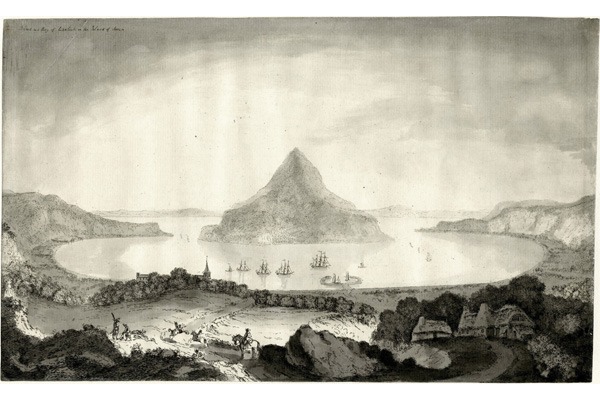
B99 Bay of Lamlash 193 x 310 mm
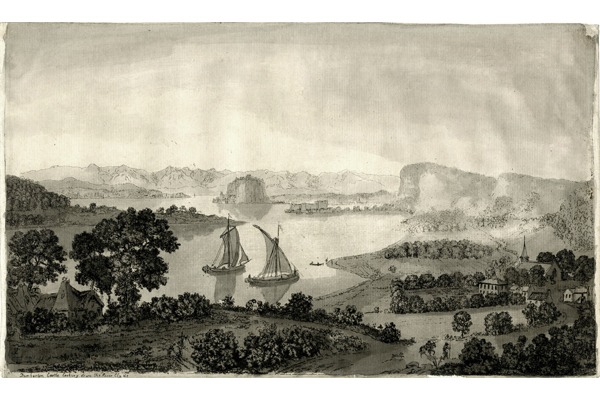
B100 Dumbarton Castle from the East 203 x 310 mm
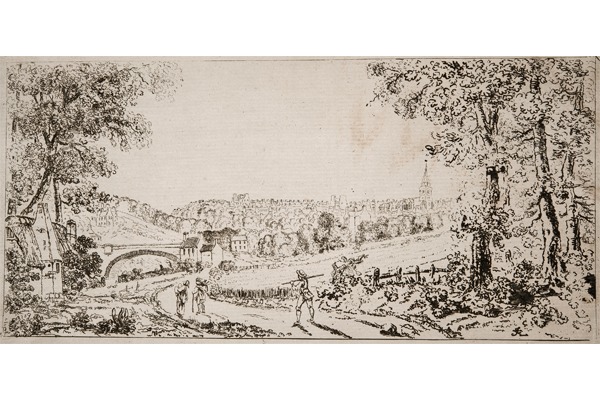
B101 Dalkeith from The North West 150 x 306 mm
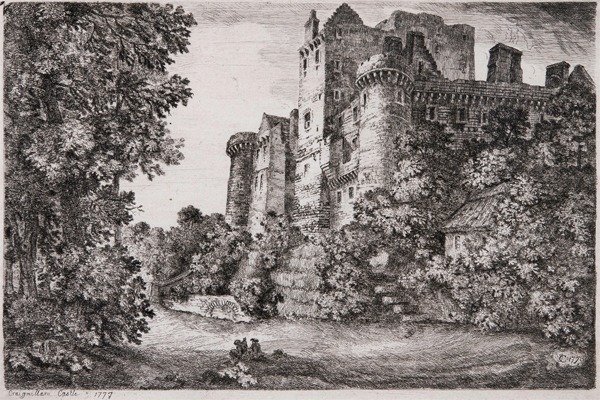
B102 Craigmillar Castle from the South East 1777 172 x 265 mm
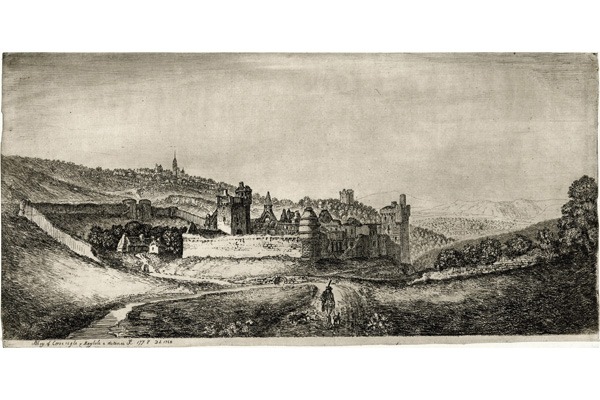
B103 Crossraguel Abbey 151 x 302 mm
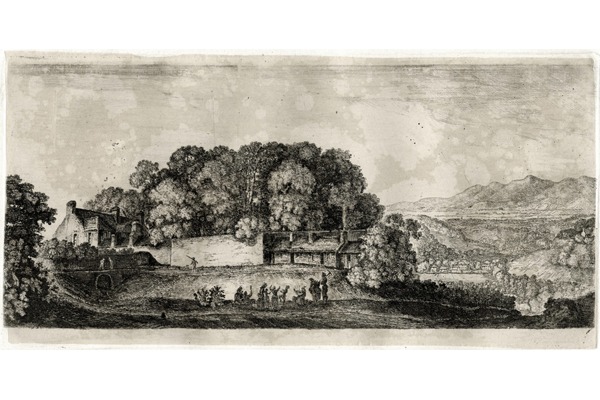
B104 Hillhead near Lasswade 149 x 308 mm
Photo Credits:
The Trustees of the British Museum – B1, B2, B4, B9, B10, B13, B20, B26-B30, B32-B41, B44-B47, B49, B51, B52, B54, B55, B58, B64m B68-B70, B73-B81, B86-B89, B91, B92, B94, B95, B98-B100, B103, B104
Sir Robert Clerk (& Photography Delmar Studios): B7, B11, B12, B18, B19, B21-B24, B31, B42, B43, B46, B48, B50, B53, B56, B57, B59-B63, B65=B67, B71, B72, B82-B85, B90, B93, B96, B97, B101
Geoffrey Bertram (& Photography Delmar Studios): B17, B102
National Galleries of Scotland: B16, B25
Royal Scottish Academy: B3, B5, B6, B8, B14, B15